Sustainable Brewing in St. Louis
St. Louis would be a different city if not for the role of beer and brewing in its development, culture and infrastructure. The area’s natural resources and environment – the combination of abundant fresh water and the limestone geography – made the emergence of brewing as a major industry possible. As the city grew, the importance of protecting water quality and safety was obvious to brewery owners and city planners. A lot has changed since then, but brewing beer remains an energy intensive and water reliant process and the Green Dining Alliance is here to help breweries become as sustainable as possible.
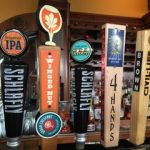
GDA beer taps at a local restaurant.
St. Louis’ microbreweries have been integral to the growing sustainability movement in St. Louis. Early microbrewers like Schlafly (The Saint Louis Brewery) challenged the status quo of beer monoculture in this city, not just in flavor and variety, but in manufacturing, sourcing and production. Schlafly’s commitment to use 100% renewable energy for brewing, its emphasis on local food, even the Tap Room’s location – a vacant building in a neglected part of downtown, helped lead the way. It showed beer drinkers, the public and local entrepreneurs that companies can be environmentally friendly, socially responsible and a boon to the local economy while being a successful business.
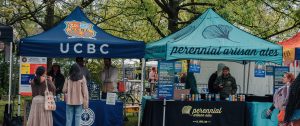
In 2012, Schlafly was the first St. Louis brewery certified by the Green Dining Alliance. Urban Chestnut, with its LEED certified Grove location (pictured in the title banner) was next in 2014, followed by Perennial and its dedication to maintaining clean water systems by diverting yeast, hop and grain sediments. Today, the GDA has 12 certified breweries in the St. Louis area representing 9 companies. In 2024 alone, GDA breweries diverted over 7,500,000 pounds of organic material from our water system and landfills by either composting it or sending the grains to local farmers for animal feed.
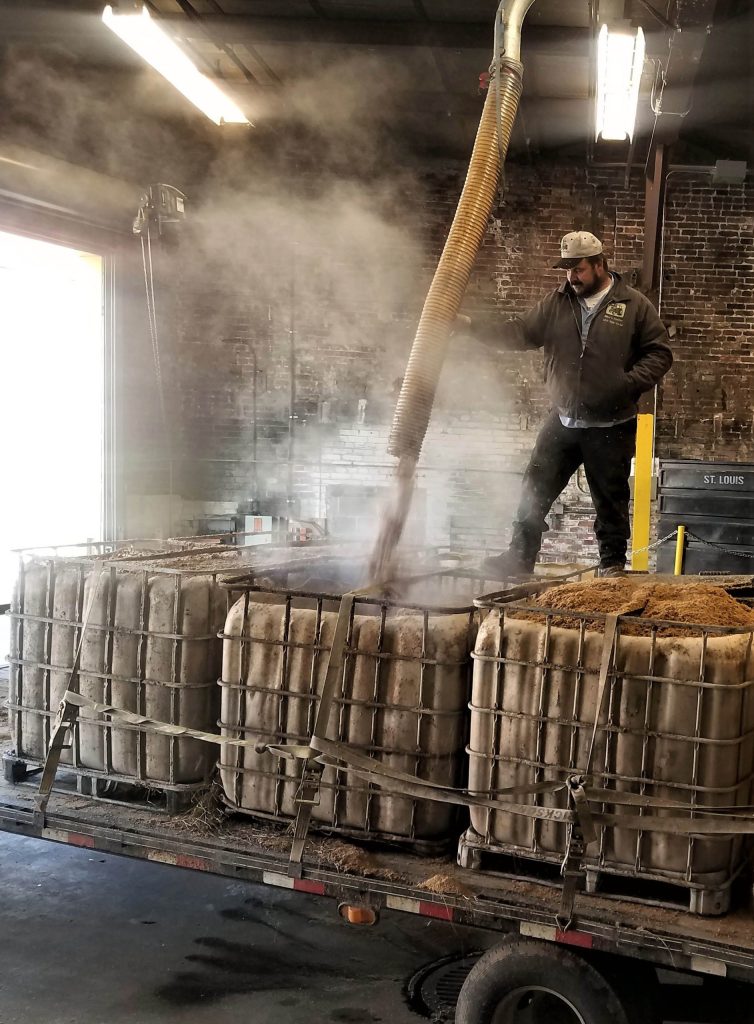
Spent grains bound for a local farm at UCBC-Midtown
All members must satisfy our Core Concepts and agree to a comprehensive audit of its entire operation. Built on the LEED system, the certification audit examines energy, water, waste management, chemical use, and sourcing, with sections on awareness, education, and innovation. The original GDA certification audit was designed primarily for restaurants, so food-related questions make up a significant portion of the overall rating. We decided to broaden its scope to include the brewing process itself.
Updating our certification is essential to comprehensive reports and better recommendations to breweries. Additions include questions on hop and grain sourcing, yeast diversion, energy recovery, packaging, and more. It emphasizes water impacts by looking closer at cleaning practices and chemical use. Improvements also include new quantitative measures; for example, total greenhouse gas emissions prevented by switching the brew house to LEDs. We hope these additions to the audit will help identify inefficiencies and new opportunities for savings, offer a clearer picture of a brewery’s impact, and help our members grow sustainably, year after year.
This work was supported by the Gateway Regional Environmental Fund, a component fund of the St. Louis Community Foundation, in addition to the St. Louis Jefferson Solid Waste Management District.
A (very brief) look at the sustainable practices of GDA breweries
Schlafly Beer: Tap Room and Bottleworks, joined 2012
Powered by solar energy; grains to farmers
Urban Chestnut Brewing Company: Grove and Midtown, joined 2014
LEED certified building; 99% waste diversion rate
Perennial Artisan Ales, joined 2014
CO2 recovery, Clean-in-Place practices
4 Hands Brewing Company, joined 2018
Highly efficient building, hot water recovery wort cooling system
Old Bakery Brewing Company, joined 2019
USDA Organic beer, 5 Star GDA chemical use rating
Side Project Brewing and The Cellar, joined 2019
Shared Brewing employee brewing collective project
Alpha Brewing Company, joined 2023
GDA Food Waste Challenge participant 2023-2025
Civil Life, joined 2024
Solar-powered, repurposed and recycled decor
Blue Jay Brewing, joined 2024
All local food, some beer made with a more sustainable grain called Kernza